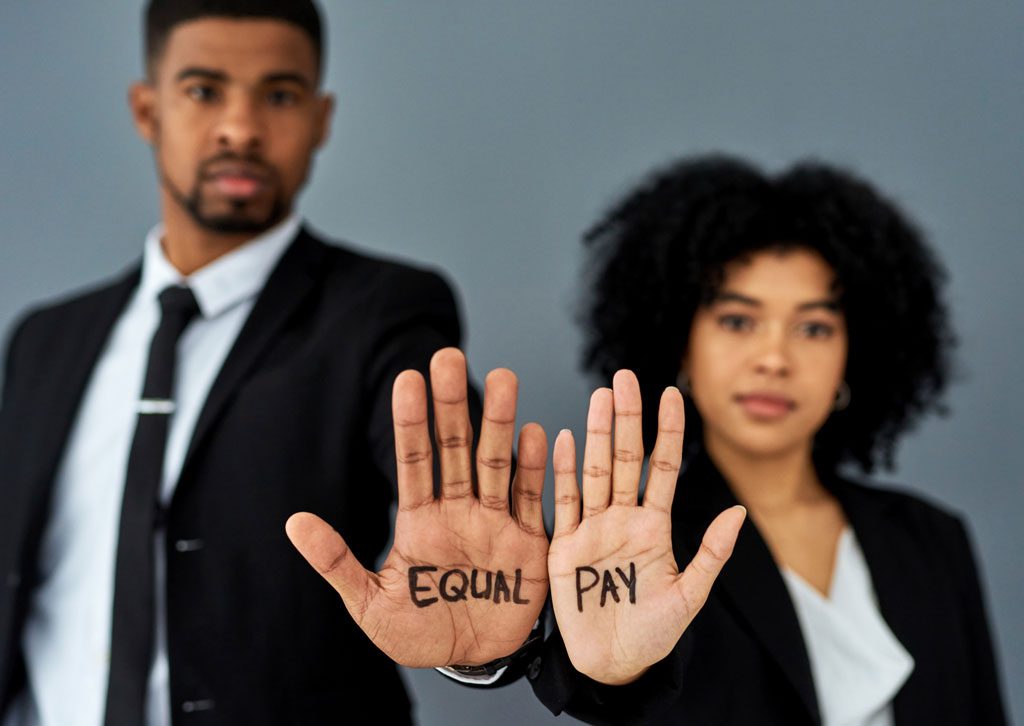
Doing the same work as a coworker but taking home less pay is more than just frustrating. In many cases, it is unlawful. Pay gaps for equal work often stay hidden because pay is treated as a secret, and workers may never learn that someone beside them earns more for the same job. Understanding how equal pay protections work, and what to look for, helps you recognize when a difference in your pay may cross the line from unfair into unlawful.
The Basic Promise of Equal Pay
The idea behind equal pay is straightforward. People who do the same work, under similar conditions, should be paid equally, and pay should not depend on characteristics that have nothing to do with the job. When a worker is paid less than a coworker for substantially equal work because of a protected characteristic, that gap can be unlawful. This basic promise is one many workers do not realize they can rely on. Understanding that equal work is supposed to mean equal pay is the starting point for recognizing when your pay does not measure up.
Why Pay Gaps Stay Hidden
One reason pay disparities persist is that pay is often kept secret. Workers may be discouraged from discussing their wages, and without that information, an unfair gap can go unnoticed for years. You might have no idea that a coworker doing the same job earns more. This secrecy protects pay gaps by keeping them out of view. Recognizing that a lack of information does not mean a lack of a problem helps you understand why paying attention to signs of disparity, even without hard numbers, can matter.
Comparing Substantially Equal Work
Equal pay questions turn on whether you and a better-paid coworker are doing substantially equal work. This does not require the jobs to be identical, but it does look at whether the work involves similar skill, effort, and responsibility under similar conditions. An employer may try to justify a gap by pointing to supposed differences in the roles. Looking honestly at whether the work is truly comparable helps clarify whether a pay difference reflects a real distinction in the jobs or an unfair disparity that is not justified.
Reasons That Do and Do Not Justify a Gap
Not every pay difference is unlawful. Legitimate factors, such as genuine differences in experience, seniority, or a system that measures productivity, can justify a gap. What cannot justify a gap is a protected characteristic. The question is whether the reason for the difference is a real, job-related one or a pretext. When an employer cannot point to a legitimate explanation for paying you less than a coworker doing the same work, the gap becomes harder to defend and may reflect discrimination.
Signs You May Be Underpaid
Certain signs may suggest a pay problem. Learning that a coworker in the same role earns more, noticing that workers who share a protected characteristic tend to be paid less, or being given vague and shifting explanations for your pay can all be worth examining. Sometimes the sign is simply that the reasons for a gap do not add up. Paying attention to these signals, even when you lack complete information, helps you recognize when it may be worth looking more closely at whether you are being paid fairly.
Protection for Asking About Pay
Workers are often protected when they ask about or discuss pay, which matters because information is what makes an unfair gap visible. An employer that punishes you for raising questions about pay or for comparing wages with coworkers may itself be acting improperly. Understanding that you may have protection for these conversations helps you see that looking into a possible pay disparity is not something you have to keep entirely to yourself. Shedding light on pay is often the only way an unfair gap comes into view.
Recognizing an Unfair Pay Gap
Equal work is supposed to mean equal pay, and a gap based on a protected characteristic can be unlawful. Understanding the promise behind equal pay, why disparities stay hidden, and what does and does not justify a gap helps you recognize when your pay may not measure up. Paying attention to the signs, and knowing you may be protected for asking about pay, puts you in a better position to see whether you are being shortchanged for the same work.