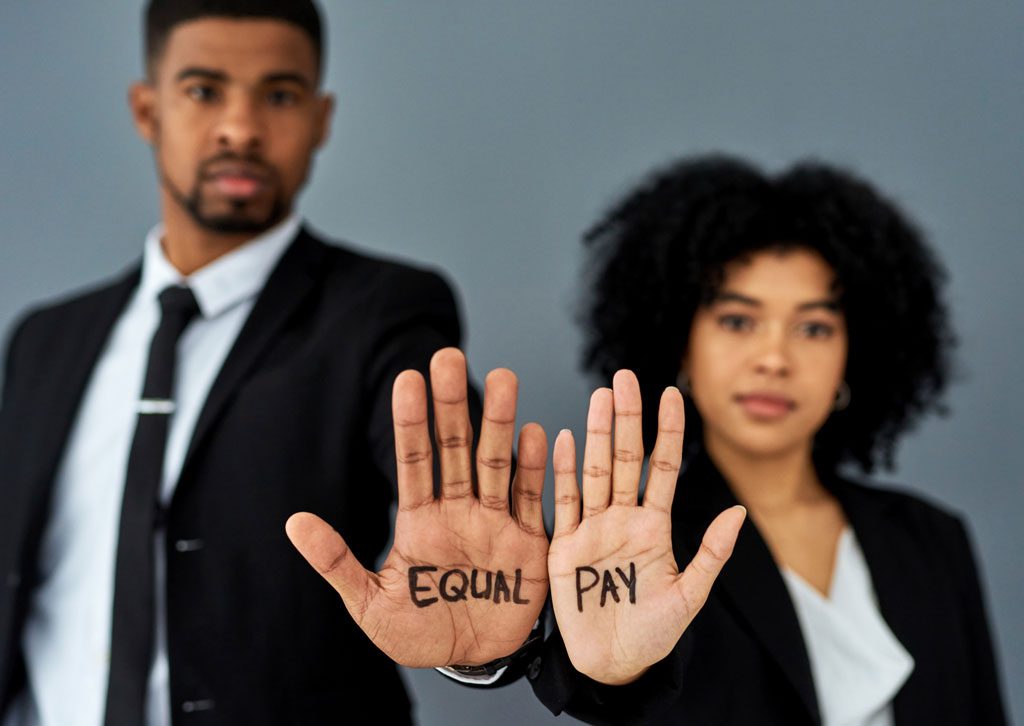
Employees have the right to be paid properly for the work they perform, and wage and hour laws exist to protect that right. These laws address matters such as pay for all hours worked and additional pay in certain circumstances. When an employer falls short, workers may have grounds to address the shortfall. Understanding the basic protections helps employees recognize when their pay may not reflect what the law requires. These protections ensure that employees receive what they have earned for the work they perform. Recognizing how they apply helps workers identify when their pay may fall short.
The Right to Be Paid for Work Performed
A foundational wage and hour protection is the right to be paid for the work an employee actually performs. This includes time that an employer may overlook, such as work done before or after a shift or during a meal period that was not truly free. When employees are required or permitted to work, that time is generally compensable. Recognizing that all hours worked should be paid is the starting point for understanding wage protections.
Overtime Considerations
Nevada provides for additional pay in certain overtime situations, and the specifics depend on the circumstances of the employee’s work. Overtime rules recognize that extended hours warrant additional compensation for many workers. Because the application of these rules can depend on factors such as the nature of the work and how pay is structured, employees benefit from understanding that overtime protections may apply to them. When overtime is worked, the question of proper compensation becomes important.
Off-the-Clock Work
One common wage issue involves work performed off the clock. When employees are expected to perform tasks without recording the time, or to work through breaks that should be free, the hours can go unpaid. This practice can deprive workers of pay they are owed. Recognizing off-the-clock work as a wage issue helps employees identify situations where their compensation may not reflect all the time they actually devoted to their jobs.
Meal and Rest Periods
Rules regarding meal and rest periods can affect an employee’s pay and working conditions. When breaks that should be provided are missed, or when a meal period is interrupted by work, wage questions can arise. Understanding how these periods are supposed to function helps employees notice when something is amiss. A break that exists only on paper, while work continues in practice, may point to a wage and hour concern worth examining.
Keeping Track of Hours Worked
Employees are in a stronger position when they keep their own record of the hours they work. Noting start and end times, breaks, and any additional work performed creates a reference that can be valuable if a dispute arises. When an employer’s records are incomplete or inaccurate, an employee’s own careful documentation can help establish the hours actually worked. This practice supports the accurate payment that wage and hour laws are meant to ensure.
Final Pay and Related Protections
Wage protections extend to the end of the employment relationship as well. When employment ends, employees are generally entitled to receive the wages they have earned, and rules govern the timing of final pay. Delays or failures in providing earned wages can raise wage and hour concerns. Related protections may address other amounts owed at separation. Understanding that wage protections continue through the conclusion of employment helps workers recognize when a problem may exist. Keeping records of hours worked and wages owed remains valuable at this stage, since it supports an accurate accounting of what an employee has earned.
Recognizing a Wage Problem
Wage and hour protections ensure that employees are paid properly for their work, including overtime where it applies and time that might otherwise go unrecorded. Understanding the right to be paid for all hours worked, the role of overtime, and the significance of off-the-clock work helps employees recognize when their pay falls short. Keeping careful records supports employees in identifying and addressing wage problems.